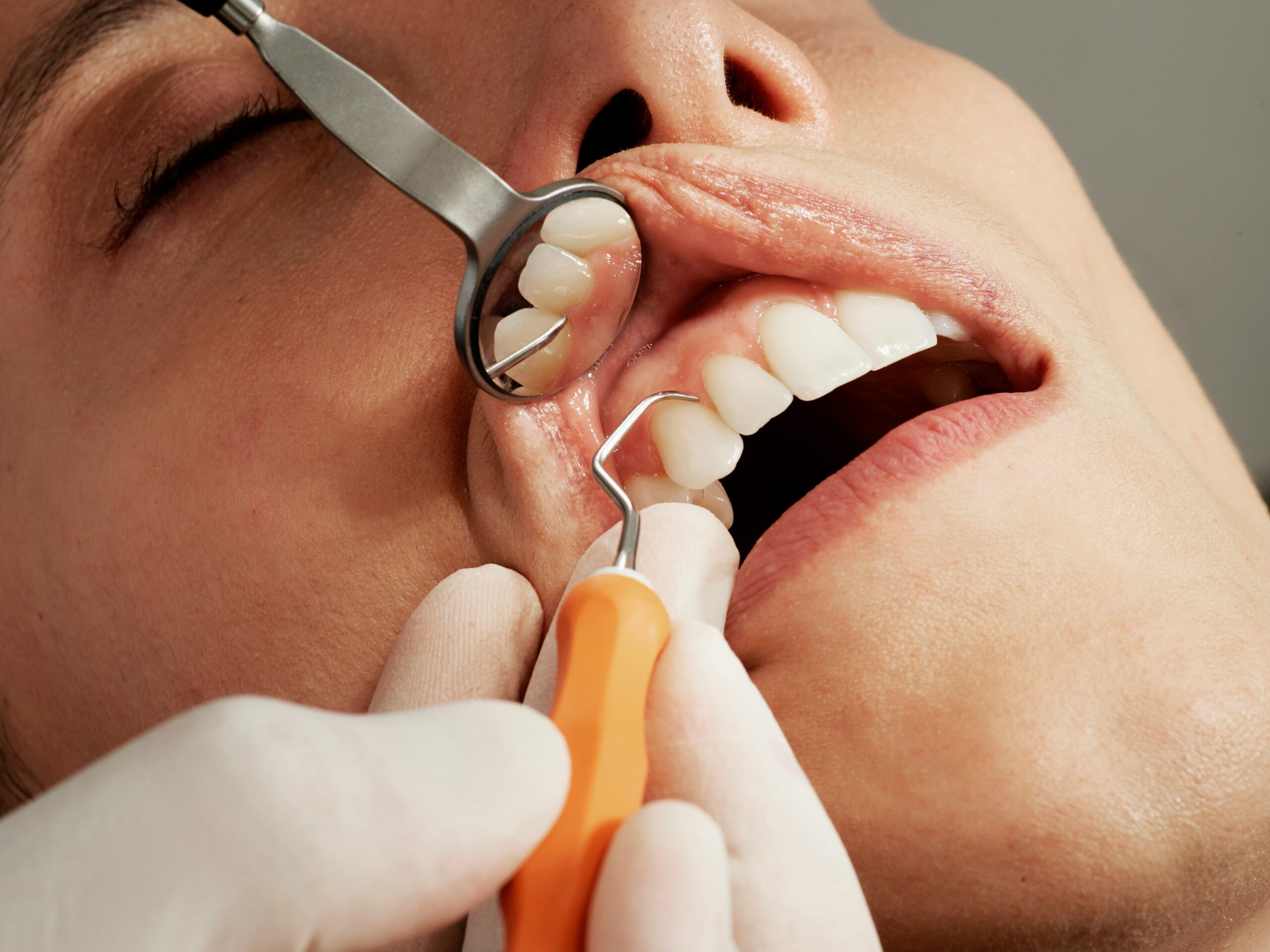
Gum problems can develop quietly. You might notice a little blood when brushing, gums that feel sore, persistent bad breath, or some redness and think it is nothing serious. However, when gum disease is left untreated, it can spread beneath the gumline and damage the tissues and bone that keep your teeth secure. At that point, a routine cleaning may no longer be enough.
For patients in Chandler, AZ, knowing the difference between deep cleaning and gum surgery can make a recommended treatment feel much less confusing. Neither option is automatically better than the other because each is used for different levels of gum disease. In this guide, we will look at deep cleaning vs surgery, when each treatment may be needed, what to expect, and how proper aftercare can help protect your gums.
Deep Cleaning vs Surgery: Understanding Gum Disease Treatment Options
The difference between deep cleaning and surgery mainly comes down to how far gum disease has progressed and how much treatment is needed below the gumline.
Deep cleaning, also called scaling and root planing, is a nonsurgical treatment that removes plaque and tartar from areas regular cleaning cannot reach. It also smooths the tooth roots to make it easier for the gums to heal.
Gum surgery is more involved. It may be considered when gum disease has progressed, gum pockets remain deep, or certain areas cannot be properly treated through deep cleaning alone.
The treatment decision may depend on:
- Gum pocket depth
- Amount of tartar below the gums
- Level of inflammation
- Bone loss around the teeth
- Gum recession
- How the gums respond to initial treatment
For someone looking for gum disease treatment in Chandler, a proper examination is important because treatment should be based on the actual condition of the gums rather than symptoms alone.
What is Deep Cleaning for Gum Disease?
Deep cleaning is often recommended when gum disease has progressed beyond simple inflammation but can still be managed without surgery. It focuses on removing plaque and tartar from areas that regular cleaning cannot reach.
Scaling and Root Planing
Deep cleaning usually involves two steps:
- Scaling: Removes hardened tartar and bacterial buildup from the teeth, including areas below the gumline.
- Root Planing: Smooths rough areas on the tooth roots, making it harder for bacteria to collect and giving the gums a better surface to heal against.
Local anesthesia may be used to keep you comfortable during the procedure.
When is Deep Cleaning Recommended?
Deep cleaning may be considered when you have:
- Bleeding or swollen gums
- Deeper gum pockets
- Tartar buildup below the gumline
- Persistent gum inflammation
- Early changes in the supporting bone
- Gum recession
The main goal is to control infection, reduce inflammation, and prevent further damage to the tissues supporting your teeth.
Interesting Read: Advanced Cleaning: Key to a Healthier Smile
When is Gum Surgery Considered?
Gum surgery may be considered when gum disease has become more advanced or when areas beneath the gums cannot be treated effectively with deep cleaning alone.
A dental professional may discuss surgery when:
- Gum pockets remain deep after nonsurgical treatment.
- Infection is difficult to reach.
- Significant bone loss has occurred.
- Damaged gum tissue requires treatment.
- Deeper areas need direct access for cleaning.
Gum surgery does not automatically mean that teeth will be lost. In many cases, the goal is to control infection and protect the tissues supporting the natural teeth.
When surgical treatment is appropriate, an oral surgeon in Chandler may be involved depending on the procedure and your individual needs.
Deep Cleaning vs Surgery: Which Treatment Is Better?
There is no single treatment that is best for every patient. The choice depends on how advanced the gum disease is and how your gums respond to treatment.
Deep Cleaning May Be Enough When
The infection and tartar can be reached and removed without surgical access. If the gums improve after scaling and root planing, additional treatment may not be necessary.
Surgery May Be Needed When
Certain areas remain difficult to treat, gum pockets stay deep, or the supporting tissues have been significantly affected.
This is why the deep cleaning vs surgery decision should not be based simply on choosing the least invasive option. The aim is to use the treatment that can effectively control the disease and protect your teeth.
What Happens During Deep Cleaning?
Deep cleaning is usually performed in sections of the mouth rather than treating everything at once. The area is numbed, and specialized instruments are used to remove tartar and bacteria from below the gums.
After treatment, some patients may notice:
- Mild gum tenderness
- Temporary tooth sensitivity
- Slight bleeding
- Changes in how the gums look as swelling decreases
These effects generally improve as the gums heal. Your dental team may also provide specific instructions for brushing, flossing, and cleaning between your teeth.
What Happens During Gum Surgery?
The exact procedure depends on the condition being treated. When surgery is recommended, the gums may be carefully moved to provide access to areas that cannot be adequately treated from the surface.
The treatment may involve:
- Numbing the affected area
- Accessing the deeper gum pockets
- Removing bacteria and unhealthy tissue
- Cleaning the tooth roots
- Treating affected supporting bone when necessary
- Repositioning the gum tissue
Your dental professional should explain the specific procedure beforehand, including why it is being recommended and what recovery will involve.
Suggested Read: When is Oral Surgery Necessary? Signs You Should Know
How Can You Support Your Gums After Treatment?
Treatment can control existing gum disease, but daily habits are important for maintaining the results. Plaque can build up again if oral hygiene is neglected.
Try to:
- Brush twice a day with a soft toothbrush.
- Clean between your teeth every day.
- Follow your dental team’s cleaning instructions.
- Attend recommended follow-up appointments.
- Avoid smoking and tobacco products.
- Pay attention to bleeding, swelling, or changes in your gums.
Understanding the benefits of regular dental cleaning can also help you see why prevention matters. Routine cleanings do not replace gum disease treatment when infection is already present, but they can help control plaque and tartar before buildup becomes more difficult to manage.
How Progressive Dentistry & Orthodontics Can Help With Gum Care
At Progressive Dentistry & Orthodontics, gum care starts with understanding what is causing the problem and how far it has progressed. If you are looking for an affordable dentist in Chandler, a thorough evaluation can help determine whether you need routine care, a deep cleaning, or more advanced treatment.
During an evaluation, your dental team may:
- Examine Your Gums: Look for swelling, bleeding, redness, and recession.
- Measure Gum Pockets: Check for signs of deeper gum problems.
- Check Plaque and Tartar: Identify areas that may need professional cleaning.
- Take X-rays When Needed: Look for changes that may not be visible during an examination.
- Discuss Treatment Options: Recommend care based on your individual gum health.
- Plan Follow Up Care: Monitor your gums and help prevent the condition from worsening.
The focus is on choosing treatment based on your needs rather than using the same approach for everyone.
Conclusion
Understanding the difference between deep cleaning and surgery can make gum disease treatment feel less confusing. Deep cleaning can often control gum disease when the problem can be treated below the gumline without surgery, while surgical treatment may be considered when deeper pockets, infection, or tissue damage remain. The right choice depends on the condition of your gums, supporting bone, and response to treatment. If you notice bleeding, swelling, recession, or other changes, getting your gums checked early can help you understand what is happening and address the problem before it becomes more difficult to manage.
If you have noticed bleeding gums, swelling, sensitivity, or other changes, call Progressive Dentistry & Orthodontics to discuss your concerns and learn which gum care options may be appropriate for you.
FAQs
1. Is deep cleaning the same as regular dental cleaning?
No. Regular cleaning mainly removes plaque and tartar from accessible areas, while deep cleaning reaches below the gumline and treats the tooth roots.
2. Does everyone with gum disease need surgery?
No. Many people can manage gum disease with nonsurgical treatment and consistent oral care. Surgery is considered when deeper problems remain or cannot be adequately treated with deep cleaning.
3. Is deep cleaning painful?
Local anesthesia can be used to keep you comfortable during treatment. Some tenderness or sensitivity may occur afterward, but it is generally temporary.
4. How long does it take to recover from gum treatment?
Recovery depends on the type of treatment. Deep cleaning usually involves a shorter recovery, while gum surgery may require more time and specific aftercare.
5. Can gum disease return after treatment?
Yes. Gum disease can return if plaque and tartar build up again. Daily oral hygiene, regular dental visits, and recommended maintenance care can help reduce the risk.