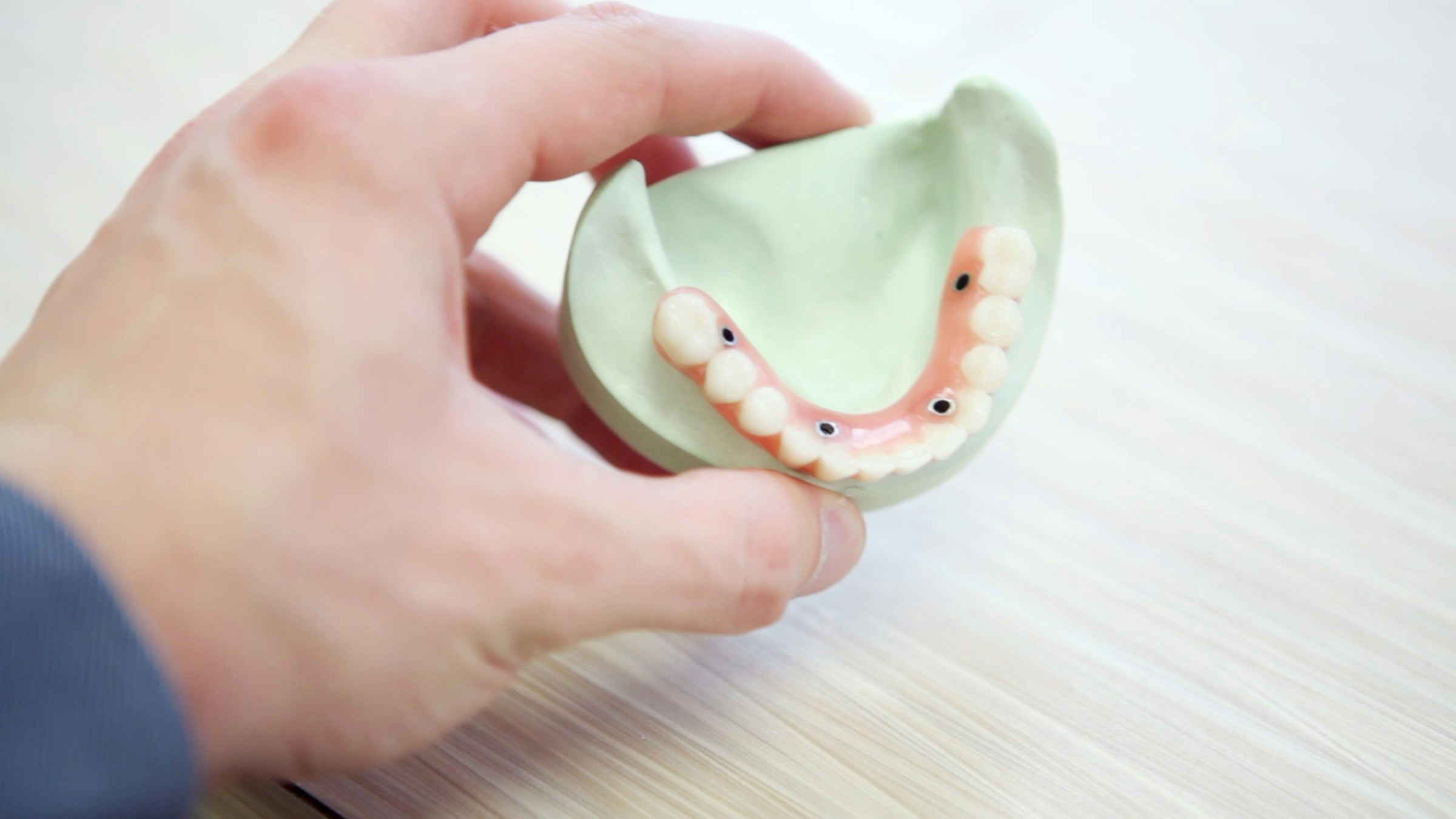
Bone loss can make dental implant treatment more complex, but it does not necessarily mean you cannot get dental implants. When a tooth is missing for an extended period, the jawbone may gradually lose volume and density, making it more difficult to provide the stable foundation an implant needs. Conditions such as gum disease, tooth loss, or previous dental trauma can also contribute to bone loss.
Fortunately, patients with dental implants and bone loss may have several treatment options. Depending on the amount and location of bone loss, a dentist may recommend a dental bone graft, alternative implant techniques, or solutions such as All-on-4 dental implants. A thorough examination and imaging can help determine your dental implant candidacy and identify the most suitable approach for restoring your smile.
In this guide, Progressive Dentistry & Orthodontics explains how bone loss affects implant treatment, how dentists evaluate dental implant eligibility, and what options may be available when there is insufficient bone for conventional implants.
Can You Get Dental Implants With Bone Loss?
Yes, dental implants with bone loss may still be possible. The important consideration is whether there is enough healthy bone in the appropriate location to stabilize the implant or whether additional treatment is needed before placement.
After a tooth is lost, the bone that once supported the tooth root no longer receives the same stimulation. Over time, this can cause gradual resorption and changes in the shape and volume of the jawbone. The longer a tooth remains missing, the more significant these changes may become in some patients.
The severity and location of bone loss are particularly important. Bone loss around a single missing tooth may present different challenges from extensive bone deterioration affecting several areas of the jaw. Similarly, bone availability in the upper front jaw differs from the requirements for implants in the posterior regions.
For patients with implants and insufficient bone, we may first recommend procedures designed to improve the available foundation. In other situations, alternative implant placement strategies may be considered. A comprehensive examination is necessary before determining which approach is appropriate.
Why is Bone Important for Dental Implants?
A dental implant is designed to function as an artificial tooth root. Once placed into the jaw, the implant can undergo a process called osseointegration, during which the surrounding bone bonds with the implant surface.
This integration helps create the stable foundation needed to support an abutment and dental restoration. Adequate bone volume and quality are therefore important considerations when planning treatment for dental implants in Chandler, AZ.
When insufficient bone is present, the implant may not have adequate support for predictable integration. This can make conventional implant placement more complicated. Dental implants with low bone density require careful evaluation because bone quality can influence stability and treatment planning.
Bone quantity is not the only consideration. We also evaluate the condition of the gums, existing teeth, bite, oral hygiene, and other factors that can influence the long-term health of an implant.
What Causes Bone Loss in the Jaw?
Jawbone loss can result from several dental and oral health conditions. Identifying the underlying cause helps determine how bone changes may affect future tooth replacement options.
1. Tooth Loss
Missing teeth are one of the most common reasons for changes in the jawbone. The roots of natural teeth provide stimulation to the surrounding bone. Once a tooth is removed, that stimulation is reduced, and the bone can gradually resorb.
Delayed tooth replacement may therefore affect the amount of bone available for future implant placement. This does not mean every person with a missing tooth will develop the same degree of bone loss, but timely evaluation can help identify changes before they become more extensive.
Interesting Read: Dental Implants for Missing Teeth Restoration
2. Gum Disease
Advanced periodontal disease can damage the tissues and bone supporting natural teeth. As infection and inflammation progress, the supporting bone may deteriorate.
Before placing dental implants, active gum disease generally needs appropriate management. Gum disease treatment can help establish healthier periodontal tissues and create a more suitable environment for implant treatment.
Patients who have previously experienced periodontal disease also need ongoing maintenance because healthy gums and supporting tissues remain important after implant placement.
3. Trauma or Injury
An accident, facial injury, or trauma involving a tooth can contribute to localized bone loss. Damage may affect the tooth, surrounding bone, or both.
When an implant is being considered after trauma, we assess the affected area carefully to determine whether sufficient bone remains for placement or whether additional treatment may be required.
4. Long-Term Denture Use
Long-term tooth loss and denture use can be associated with gradual changes in the underlying jawbone. Because the bone is no longer supporting natural tooth roots, its shape and volume may change over time.
Patients who have worn dentures for many years may therefore require additional diagnostic evaluation before implant treatment.
How is Dental Implant Candidacy Determined?
Dental implant eligibility depends on several factors rather than bone volume alone. During an implant consultation, we evaluate:
- Jawbone quantity and density: We determine whether enough healthy bone is available in the proposed implant site.
- Gum health: Healthy periodontal tissues are important for supporting long-term implant health.
- Overall oral health: Existing dental problems may need treatment before implant placement.
- Existing dental conditions: Decay, infection, damaged teeth, or other conditions can influence treatment planning.
- Smoking and lifestyle factors: Smoking can affect healing and implant outcomes, so these habits should be discussed during the consultation.
- Medical history: Certain medical conditions and medications may influence healing or require modifications to the treatment plan.
- Oral hygiene: Patients need to maintain effective daily oral hygiene and attend recommended professional appointments.
- Remaining teeth: Teeth that are intended to remain in the mouth should be evaluated for their health and long-term prognosis.
By considering these factors together, we can determine whether conventional implant placement, preparatory treatment, or another tooth replacement approach is appropriate.
What Are Your Options If You Don’t Have Enough Bone for Implants?
Insufficient bone does not always eliminate implant treatment. Bone grafting, sinus lifts, and selected placement techniques may provide options depending on your individual anatomy and needs.
1. Dental Bone Grafting
A dental bone graft can help rebuild an area where insufficient bone is available for implant placement. During grafting, bone material is placed in the area requiring additional volume, allowing the site to heal and remodel.
Depending on the patient’s anatomy and treatment requirements, different grafting materials and techniques may be considered. Healing time is often necessary before an implant can be placed, although the timing varies according to the procedure and individual circumstances.
Bone grafting is not automatically required for every patient with bone loss. We determine whether augmentation is appropriate based on imaging, clinical findings, and the intended implant position.
2. Sinus Lift
A sinus lift may be considered when bone height is limited in the upper back jaw. The maxillary sinus is located above this region, and changes in the available bone can affect the space available for implant placement.
A sinus lift involves carefully creating additional vertical bone volume in the area beneath the sinus. Whether this procedure is appropriate depends on the patient’s anatomy, available bone, and planned implant treatment.
3. Alternative Implant Placement Techniques
Some patients with reduced bone volume may have implant options that differ from conventional individual implant placement. Certain techniques use available areas of stronger bone or modify implant positioning to accommodate anatomical limitations.
However, these approaches are not suitable for every patient with bone loss. A detailed examination and three-dimensional imaging, when appropriate, are essential for determining whether an alternative technique can provide a suitable treatment option.
Can You Get All-on-4 Dental Implants With Bone Loss?
All-on-4 dental implants use a different treatment concept from placing one implant for every missing tooth. The approach uses a strategically positioned set of implants to support a full-arch restoration.
In selected patients, implant positioning can make it possible to use available bone more effectively, potentially reducing the need for extensive bone augmentation. The posterior implants may be angled to work with the patient’s existing anatomy.
However, having bone loss does not automatically make someone a candidate for All-on-4 treatment. Bone quality, remaining anatomy, gum health, medical history, and the condition of the jaw must all be assessed.
Comprehensive examination and appropriate imaging allow us to determine whether a full-arch implant solution is suitable and whether another treatment approach would be more appropriate.
What Happens If You Need a Tooth Extraction Before an Implant?
Tooth Extraction may be necessary when a tooth is severely damaged, infected, fractured, or otherwise unable to provide a predictable long-term foundation.
When an implant is being considered, extraction and future implant placement should ideally be planned together. The condition of the extraction site can influence the amount of bone available for an implant.
In selected situations, preserving the extraction socket may help maintain bone volume. Depending on the circumstances, a grafting procedure may be considered at the time of extraction or during a later stage of treatment.
Planning before extraction allows us to consider the future implant position and determine whether bone preservation or other procedures should be incorporated into the treatment plan.
How Dentists Check for Bone Loss Before Dental Implants
Before recommending implants, we use a structured diagnostic process to understand the patient’s oral anatomy and treatment requirements.
- Dental examination: We examine the teeth, gums, bite, and proposed implant sites.
- Medical and dental history: Relevant health conditions, medications, previous procedures, and dental history are reviewed.
- Digital X-rays: Radiographs can provide important information about teeth and surrounding structures.
- 3D imaging or CBCT: When appropriate, three-dimensional imaging can provide a more detailed view of bone dimensions and nearby anatomical structures.
- Gum evaluation: We assess periodontal health and identify signs of infection or inflammation.
- Bone assessment: Available bone volume and quality are evaluated in relation to the planned implant position.
- Personalized treatment planning: We use the collected information to determine the most appropriate implant or tooth replacement approach.
Patients researching an implant dentist in Chandler, AZ can look for a provider who performs comprehensive diagnostics rather than relying solely on a basic visual examination.
Are Dental Implants Still Possible With Severe Bone Loss?
Severe bone loss can make conventional implant placement more complex, but it does not necessarily eliminate every implant treatment option.
Depending on the location and extent of the bone deficiency, treatment may involve bone augmentation, sinus-related procedures, modified implant positioning, or selected full-arch implant approaches.
There is no single solution for every patient. Two people with similar numbers of missing teeth may have very different bone anatomy, periodontal conditions, and medical considerations.
For this reason, we recommend an individualized evaluation before determining whether implants can be placed directly or whether preparatory treatment is needed first.
How Much Do Dental Implants Cost With Bone Loss?
The cost of implant treatment can vary considerably when bone loss is involved. The final treatment plan may require procedures beyond the implant itself.
Factors that can affect overall treatment costs include:
- Number of implants required
- Need for a dental bone graft
- Sinus lift or other bone augmentation
- Diagnostic imaging
- Tooth extraction
- Type of implant system
- Type of final restoration
- Temporary restorations
- Additional preparatory dental procedures
Patients searching for a dentist in Chandler, AZ should consider the complete treatment plan rather than comparing implant prices based only on the cost of the implant itself. A detailed consultation can provide a clearer understanding of which procedures are actually required for an individual case.
Interesting Read: Dental Implants vs. Dentures: Costs, Care, and Long-Term Options
Choosing an Implant Dentist in Chandler, AZ
Choosing an implant provider involves more than looking at whether a practice offers dental implants. Patients should consider the provider’s experience with different levels of bone availability, diagnostic capabilities, treatment planning process, and approach to complex cases.
It is also useful to ask how the practice evaluates bone volume, whether three-dimensional imaging is available when appropriate, and what alternatives may be considered if conventional implant placement is not suitable.
At Progressive Dentistry & Orthodontics, we focus on evaluating each patient’s oral health and treatment needs before recommending an implant approach. Our goal is to understand the available bone, condition of the gums, remaining teeth, and restoration requirements so treatment can be planned around the patient’s individual circumstances.
Restore Your Smile With Personalized Implant Care
Bone loss does not necessarily mean that implant treatment is out of reach. With careful diagnosis, appropriate imaging, and individualized planning, we can determine whether conventional implants, bone augmentation, full-arch treatment, or another tooth replacement solution is appropriate.
At Progressive Dentistry & Orthodontics, we evaluate the condition of your jawbone, gums, remaining teeth, and overall oral health before recommending treatment. If you are considering dental implants and have been told that bone loss may affect your options, schedule an evaluation to discuss your available treatment pathways and determine what approach best fits your oral health needs.
Frequently Asked Questions About Dental Implants and Bone Loss
Can you get dental implants if you have bone loss?
Yes. Bone loss does not automatically rule out dental implants. Depending on the amount and location of the deficiency, treatment may involve bone grafting, modified implant placement, or another implant-supported approach.
How much bone is needed for a dental implant?
There is no single measurement that applies to every patient. The required bone dimensions depend on the implant, location, anatomy, and restoration. Imaging helps determine whether adequate bone is available.
Can a dental bone graft make implants possible?
A bone graft can rebuild areas with insufficient bone and may allow implant placement after appropriate healing. Whether grafting is necessary and which technique is suitable depends on the patient’s anatomy.
Are dental implants possible with low bone density?
They may be possible in selected cases. Low bone density can affect implant stability and healing, so the bone must be carefully evaluated before treatment is planned.
Can gum disease prevent you from getting dental implants?
Active gum disease may need to be treated before implant placement. Healthy periodontal tissues are important for supporting long-term implant health.
Can you get All-on-4 implants with bone loss?
Some patients with reduced bone volume may qualify for All-on-4 treatment because implants can be positioned strategically. However, candidacy depends on individual anatomy, bone quality, gum health, and other factors.
How long after a bone graft can you get dental implants?
The timing varies according to the extent and type of graft, healing response, and individual treatment plan. Imaging and clinical evaluation help determine when the site is ready for implant placement.
Does tooth extraction cause more bone loss?
Bone remodeling naturally occurs after a tooth is removed. In selected cases, socket preservation or grafting may help maintain available bone for future implant treatment.
How do dentists determine dental implant candidacy?
We evaluate bone volume and density, gum health, existing teeth, oral hygiene, medical history, lifestyle factors, and other oral health conditions. Digital X-rays or CBCT imaging may also be used.
Are dental implants an option for everyone?
Dental implants are not automatically suitable for every patient. However, different treatment approaches may be available depending on bone condition, gum health, medical history, and the patient’s tooth replacement needs.